



Amputation (Upper / Lower Limb)
About Amputation (Upper / Lower Limb)
Amputation is a surgical procedure in which a damaged or diseased limb is removed to prevent further complications and improve overall health.
Overview
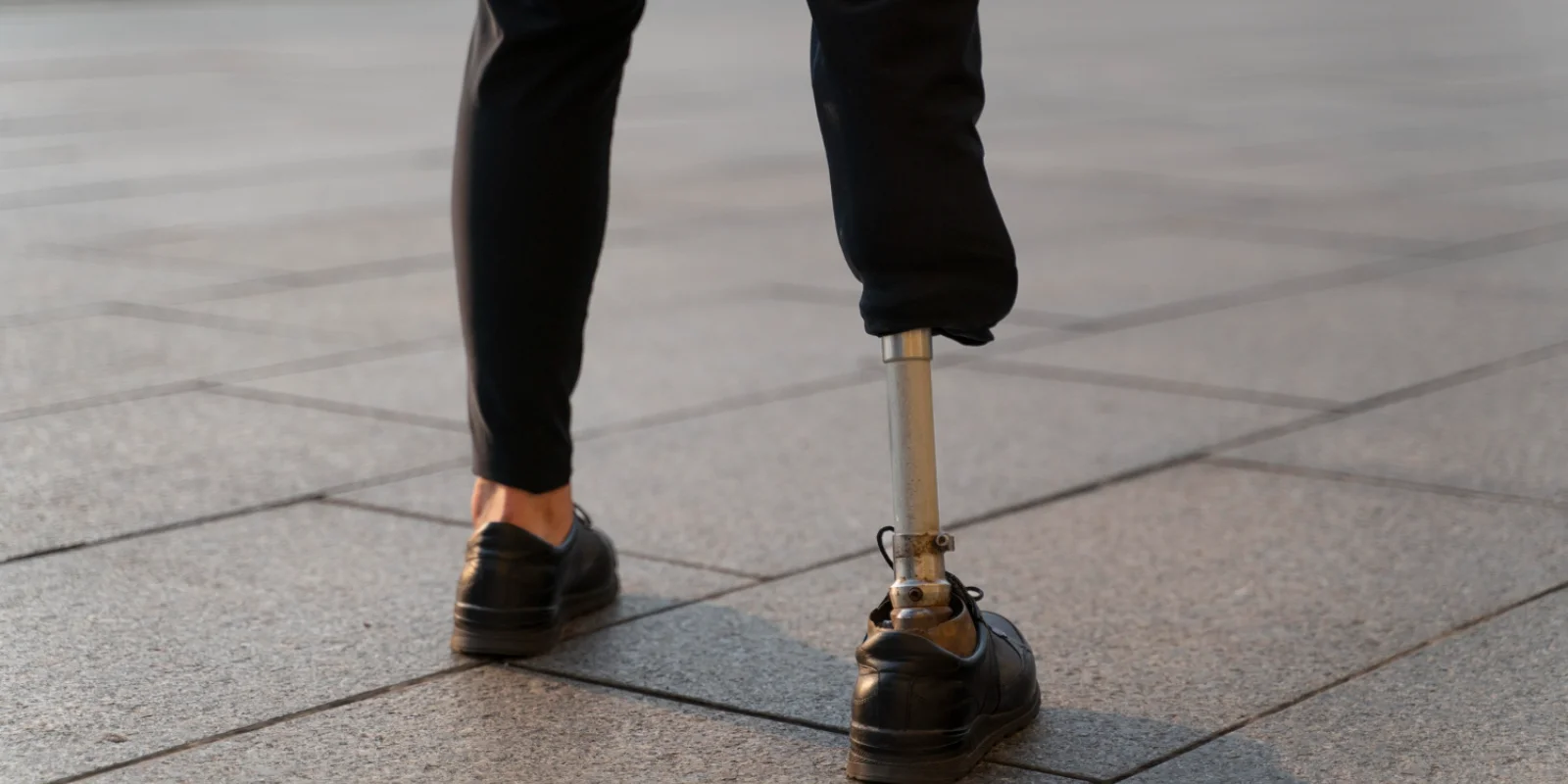
Amputation surgery involves the removal of a severely damaged, infected, or diseased limb to protect the patient’s overall health. The procedure may involve removing part of an arm or leg and is often followed by rehabilitation and prosthetic support to restore mobility and independence.
Understanding The Procedure
Symptoms That May Require Amputation (Upper / Lower Limb)
- ⦾ Severe limb injury
- ⦾ Non-healing infections
- ⦾ Advanced vascular disease
- ⦾ Bone tumors
Recovery & Outlook
Amputation can help save lives and prevent serious complications from severe injuries or infections. Rehabilitation programs and prosthetic limbs allow many patients to regain independence. Physiotherapy helps improve strength, balance, and mobility. Emotional and psychological support also plays an important role in recovery. With proper rehabilitation, patients can lead active and productive lives.
Risks
- ⦾ Infection
- ⦾ Phantom limb pain
- ⦾ Emotional adjustment challenges
- ⦾ Delayed wound healing
Post-Operative Care
- ⦾ Proper wound care to prevent infection
- ⦾ Regular physiotherapy sessions
- ⦾ Use of prosthetic limbs when recommended
- ⦾ Psychological counseling and emotional support
- ⦾ Follow-up medical appointments for monitoring recovery
Conclusion
Amputation surgery is sometimes necessary to protect a patient’s overall health when severe injury or disease affects a limb. With modern prosthetic technology and comprehensive rehabilitation programs, many patients can achieve independence and maintain a high quality of life.
Doctors Who Perform Amputation (Upper / Lower Limb)
Meet experienced orthopedics (bone & joint care) doctors who regularly evaluate and perform amputation (upper / lower limb).

Dr Naveen Kumar B M
MBBS, MS Orthopedics
KMC: 112492
Consultant Arthroplasty, Trauma, Sports Medicine ad Arthroscopy Surgeon

Dr Sharan Achar T
MBBS, MS Ortho, DNB, FASSI, FAO
KMC: 109282
Consultant Orthopaedic Spine Surgeon

Dr Sudhindra Dharmavaram
MBBS, MD (ANAES), FFPMRCA (UK) - Orthopedics
KMC: 80575
Consultant Orthopaedics Surgeon
Prefer WhatsApp for Amputation (Upper / Lower Limb) enquiries? Chat with our orthopedic team during working hours for quick assistance.
