




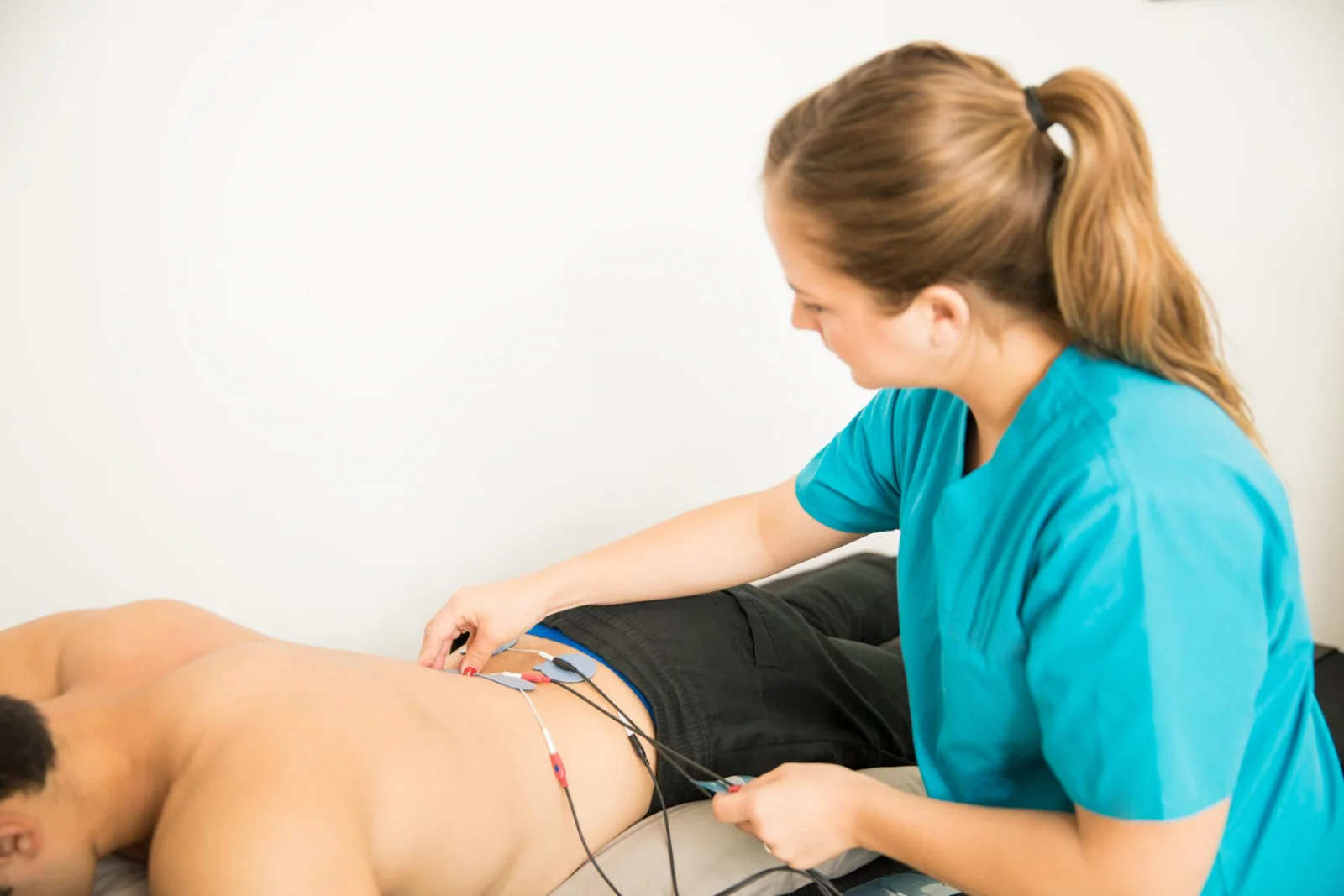
Electromyography
About Electromyography
Electromyography (EMG) evaluates muscle and nerve function by measuring electrical activity within muscles.
Overview
It helps diagnose nerve disorders, muscle diseases, neuropathies, and neuromuscular conditions.
Understanding The Procedure
Symptoms That May Require Electromyography
- ⦾ Muscle weakness
- ⦾ Numbness or tingling
- ⦾ Muscle cramps
- ⦾ Difficulty moving limbs
- ⦾ Nerve pain
Recovery & Outlook
EMG assists in accurate diagnosis and long-term management of neuromuscular disorders.
Risks
- ⦾ Mild pain from needle insertion
- ⦾ Temporary muscle soreness
- ⦾ Minor bruising
- ⦾ Bleeding risk in sensitive patients
- ⦾ Anxiety during the procedure
Post-Operative Care
- ⦾ Rest the tested muscles if sore
- ⦾ Apply ice for mild discomfort if needed
- ⦾ Follow medical advice regarding results
- ⦾ Monitor for unusual swelling or bleeding
- ⦾ Attend follow-up neurological evaluations
Conclusion
Electromyography is an important neurological diagnostic test that helps evaluate muscle and nerve function. Early diagnosis and proper treatment planning improve long-term management of neuromuscular conditions.
Doctors Who Perform Electromyography
Meet experienced neurology (brain care) doctors who regularly evaluate and perform electromyography.

Dr Rajkumar Pannam
MBBS, MS, General Surgery, MCh, Neurosurgery, Fellowship in Cerebrovascular and Endoscopic Neurosurgery, Japan.
KMC: APN20130001365TKT
Consultant Neurosurgeon

Arun Kumar M A
MBBS, MS General Surgery,DNB General Surgery,MCh Neurosurgery
KMC: 94243
CONSULTANT NEUROLOGIST

DR KISHORE R
MBBS, MD, DRNB
KMC: 109264
CONSULTANT NEUROLOGIST
Prefer WhatsApp for Electromyography enquiries? Chat with our orthopedic team during working hours for quick assistance.
