




Fracture Fixation (ORIF)
About Fracture Fixation (ORIF)
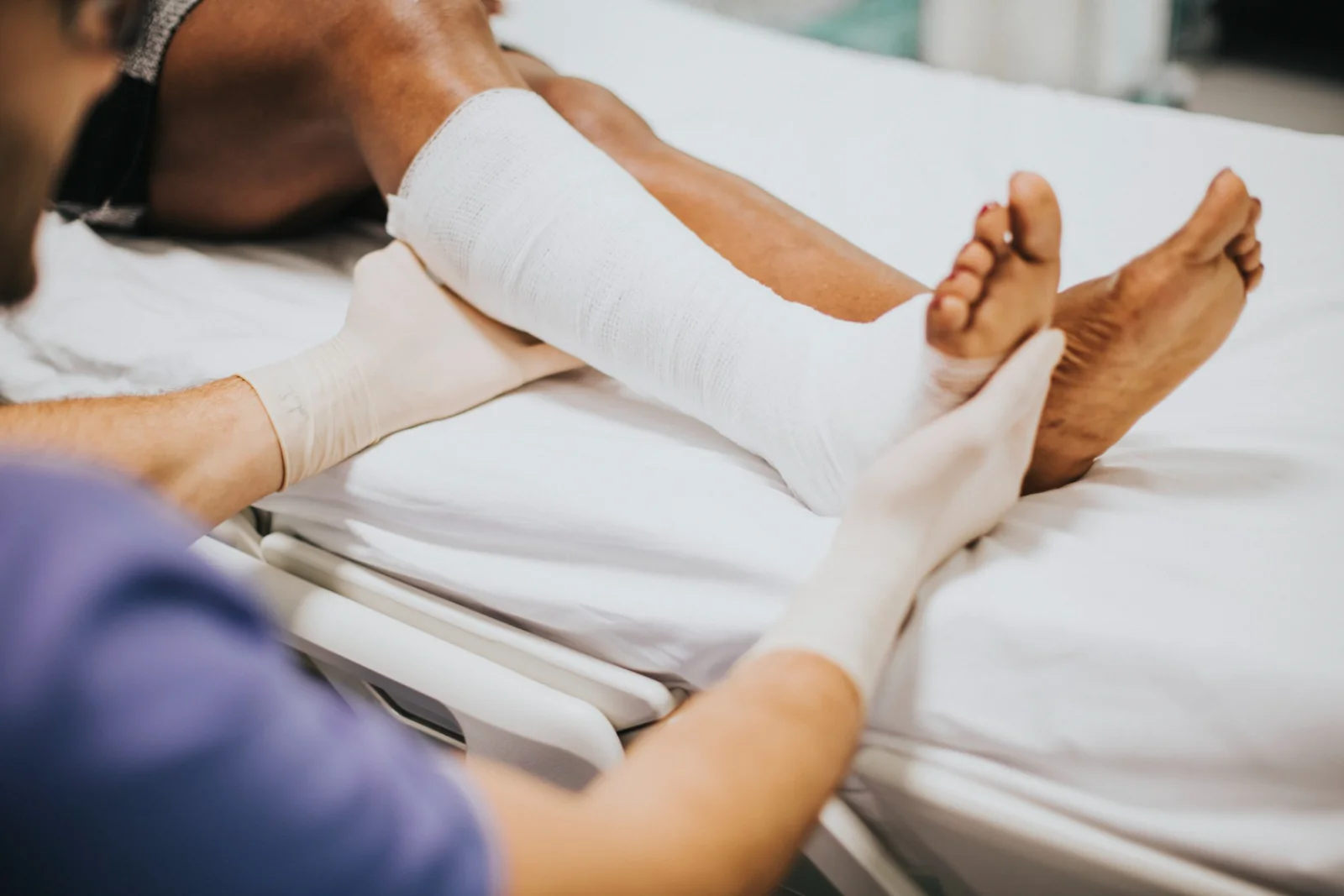
Open Reduction Internal Fixation (ORIF) is a surgical procedure used to repair severely broken bones by realigning them and securing them with metal plates, screws, or rods.
Overview
Open Reduction Internal Fixation (ORIF) is an orthopedic surgical procedure used to treat complex bone fractures. During the procedure, the surgeon first repositions the broken bone fragments into their normal alignment (open reduction) and then stabilizes them using metal implants such as plates, screws, or rods (internal fixation).
Understanding The Procedure
Symptoms That May Require Fracture Fixation (ORIF)
- ⦾ Severe pain at injury site
- ⦾ Swelling and bruising
- ⦾ Inability to move the limb
- ⦾ Visible bone deformity
Recovery & Outlook
ORIF helps restore normal bone alignment and function after serious fractures. With proper healing and physiotherapy, most patients regain full mobility. Following medical advice and rehabilitation programs supports faster recovery. Implants may remain in place permanently or be removed later if required. Long-term results are usually excellent.
Risks
- ⦾ Infection
- ⦾ Delayed bone healing
- ⦾ Implant irritation
- ⦾ Blood clots (rare)
Post-Operative Care
- ⦾ Follow physiotherapy exercises to restore mobility
- ⦾ Avoid placing weight on the injured limb until advised
- ⦾ Take prescribed medications for pain and inflammation
- ⦾ Keep the surgical site clean and monitored for infection
- ⦾ Attend scheduled follow-up appointments
Conclusion
Fracture fixation using ORIF is an effective surgical treatment for severe bone fractures. With modern surgical techniques and proper rehabilitation, patients can regain strength, mobility, and normal function of the affected limb.
Doctors Who Perform Fracture Fixation (ORIF)
Meet experienced orthopedics (bone & joint care) doctors who regularly evaluate and perform fracture fixation (orif).
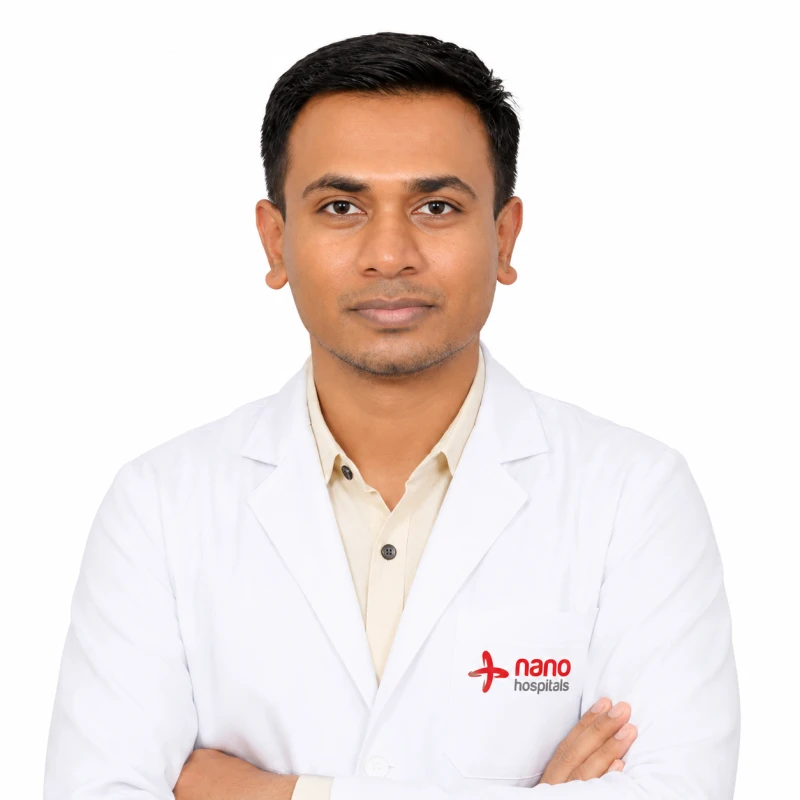
Dr Naveen Kumar B M
MBBS, MS Orthopedics
KMC: 112492
Consultant Arthroplasty, Trauma, Sports Medicine ad Arthroscopy Surgeon
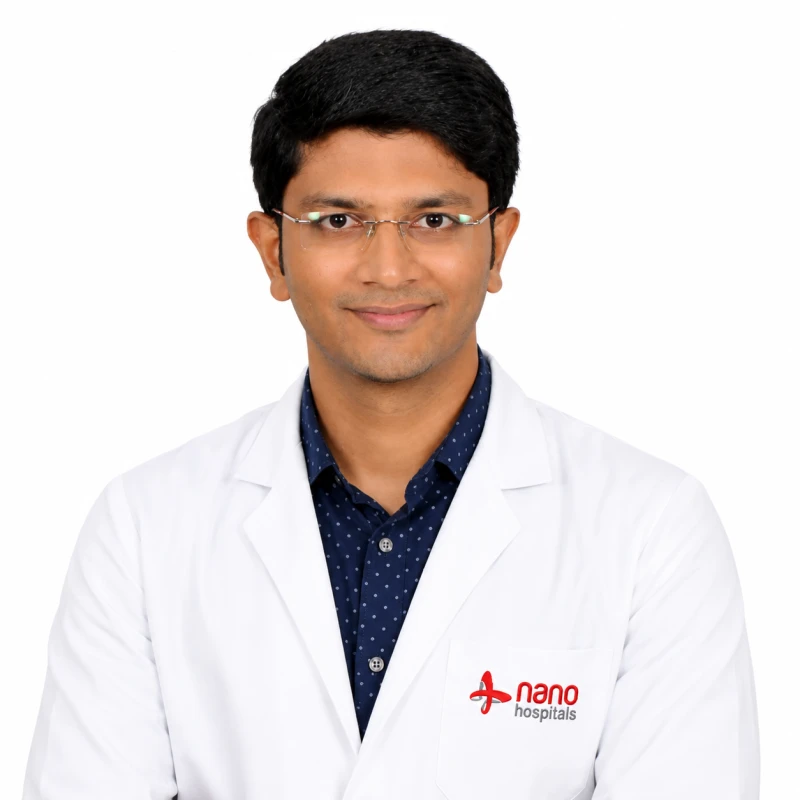
Dr Sharan Achar T
MBBS, MS Ortho, DNB, FASSI, FAO
KMC: 109282
Consultant Orthopaedic Spine Surgeon

Dr Sudhindra Dharmavaram
MBBS, MD (ANAES), FFPMRCA (UK) - Orthopedics
KMC: 80575
Consultant Orthopaedics Surgeon
Prefer WhatsApp for Fracture Fixation (ORIF) enquiries? Chat with our orthopedic team during working hours for quick assistance.
