




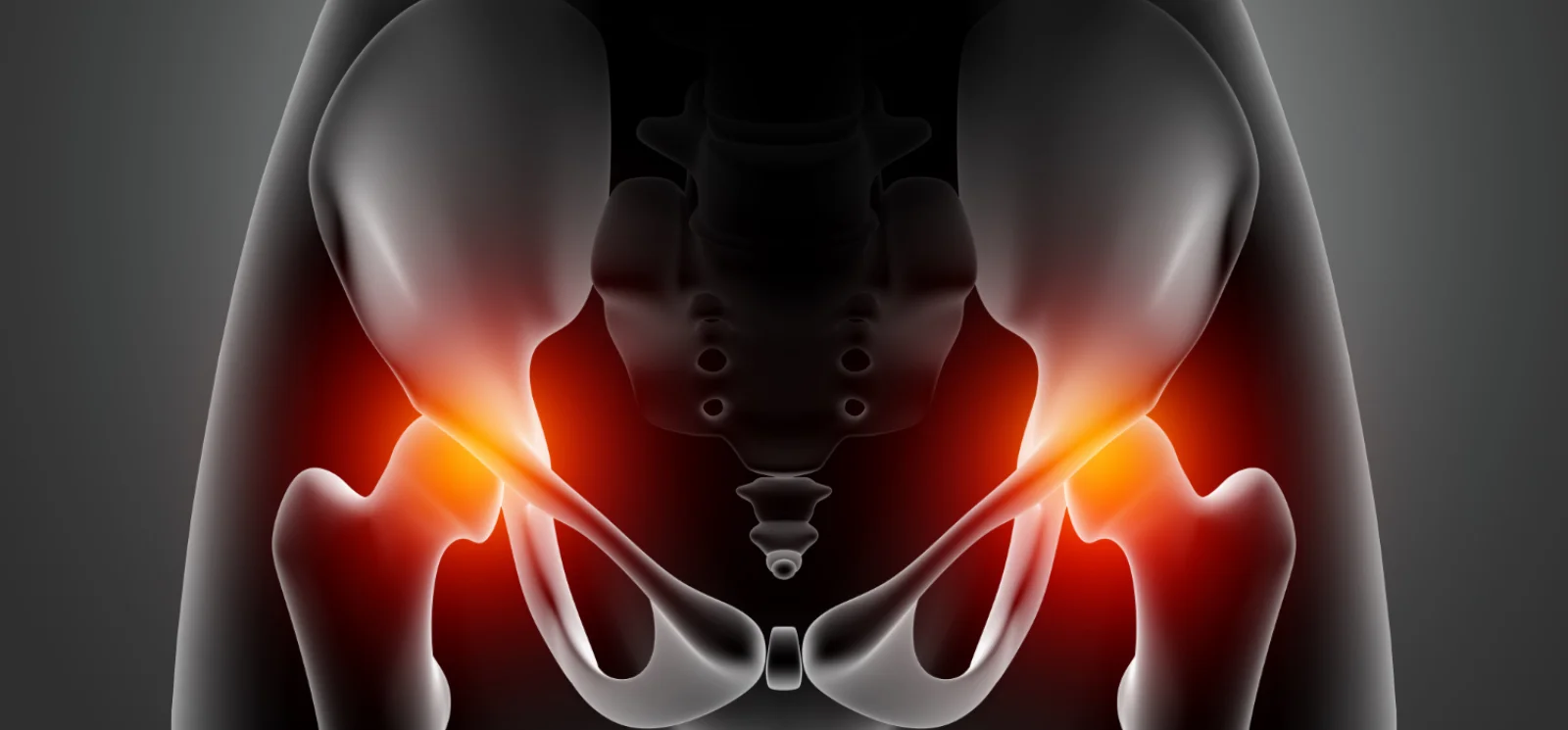
Hip Arthroscopy
About Hip Arthroscopy
Hip arthroscopy is a minimally invasive surgical procedure used to diagnose and treat problems inside the hip joint using a small camera and specialized instruments.
Overview
Hip arthroscopy is a minimally invasive orthopedic procedure in which a small camera called an arthroscope is inserted into the hip joint through tiny incisions. This allows surgeons to diagnose and treat conditions such as labral tears, cartilage damage, and hip impingement with minimal disruption to surrounding tissues.
Understanding The Procedure
Symptoms That May Require Hip Arthroscopy
- ⦾ Hip pain
- ⦾ Joint stiffness
- ⦾ Clicking sensation in the hip
- ⦾ Reduced range of motion
Recovery & Outlook
Hip arthroscopy helps relieve pain and restore hip mobility with minimal surgical trauma. Most patients experience quicker recovery compared to traditional surgery. Rehabilitation exercises strengthen surrounding muscles and improve joint stability. Early treatment helps prevent further joint damage. Long-term results are usually very good.
Risks
- ⦾ Infection
- ⦾ Temporary swelling
- ⦾ Joint stiffness
- ⦾ Nerve irritation (rare)
Post-Operative Care
- ⦾ Follow physiotherapy exercises regularly
- ⦾ Avoid strenuous physical activity during recovery
- ⦾ Use assistive devices such as crutches if recommended
- ⦾ Take prescribed medications for pain relief
- ⦾ Attend scheduled follow-up appointments
Conclusion
Hip arthroscopy is a safe and effective minimally invasive procedure for diagnosing and treating various hip joint conditions. With proper rehabilitation and care, patients can regain mobility and return to normal daily activities.
Doctors Who Perform Hip Arthroscopy
Meet experienced orthopedics (bone & joint care) doctors who regularly evaluate and perform hip arthroscopy.

Dr Naveen Kumar B M
MBBS, MS Orthopedics
KMC: 112492
Consultant Arthroplasty, Trauma, Sports Medicine ad Arthroscopy Surgeon

Dr Sharan Achar T
MBBS, MS Ortho, DNB, FASSI, FAO
KMC: 109282
Consultant Orthopaedic Spine Surgeon

Dr Sudhindra Dharmavaram
MBBS, MD (ANAES), FFPMRCA (UK) - Orthopedics
KMC: 80575
Consultant Orthopaedics Surgeon
Prefer WhatsApp for Hip Arthroscopy enquiries? Chat with our orthopedic team during working hours for quick assistance.
