



Intramedullary Nailing
About Intramedullary Nailing
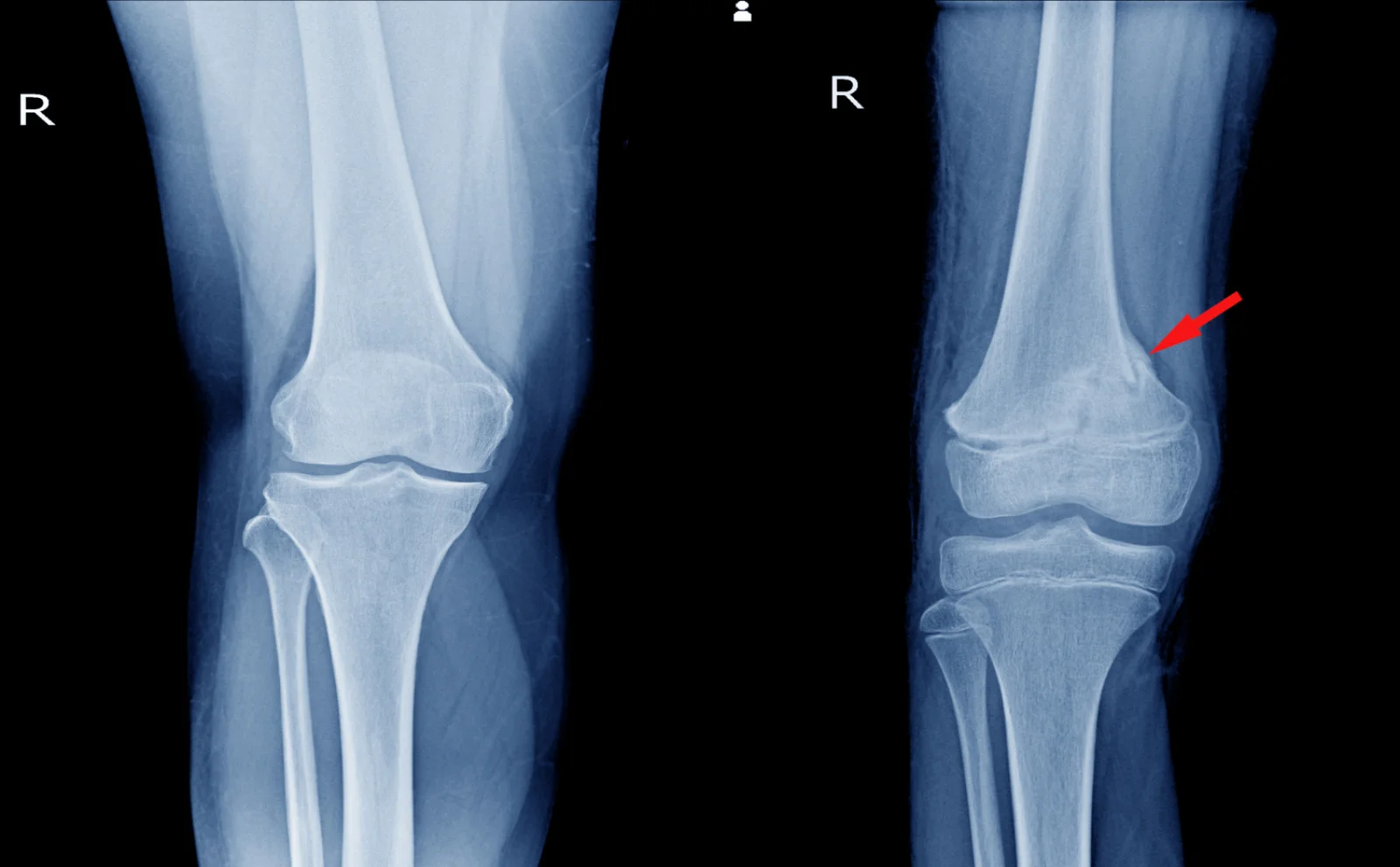
Intramedullary nailing is a surgical procedure used to treat fractures of long bones such as the femur or tibia by inserting a metal rod inside the bone canal.
Overview
Intramedullary nailing is an orthopedic surgical technique used to stabilize fractures of long bones. During the procedure, a metal rod called an intramedullary nail is inserted into the hollow center of the bone to keep the fractured pieces aligned while healing occurs.
Understanding The Procedure
Symptoms That May Require Intramedullary Nailing
- ⦾ Severe limb pain
- ⦾ Swelling around the injured area
- ⦾ Inability to bear weight
- ⦾ Bone deformity
Recovery & Outlook
Intramedullary nailing provides strong support for fractured bones and allows early movement. Most patients regain normal function after recovery. Physiotherapy helps restore muscle strength and flexibility. Following rehabilitation programs ensures better outcomes. Long-term recovery is usually successful.
Risks
- ⦾ Infection
- ⦾ Implant irritation
- ⦾ Delayed healing
- ⦾ Blood clots (rare)
Post-Operative Care
- ⦾ Follow physiotherapy exercises regularly
- ⦾ Avoid excessive weight bearing until advised by the doctor
- ⦾ Take prescribed medications for pain and inflammation
- ⦾ Attend follow-up appointments to monitor bone healing
- ⦾ Maintain proper nutrition for bone recovery
Conclusion
Intramedullary nailing is a reliable and widely used orthopedic procedure for stabilizing long bone fractures. With proper treatment and rehabilitation, patients can regain full mobility and return to normal daily activities.
Doctors Who Perform Intramedullary Nailing
Meet experienced orthopedics (bone & joint care) doctors who regularly evaluate and perform intramedullary nailing.
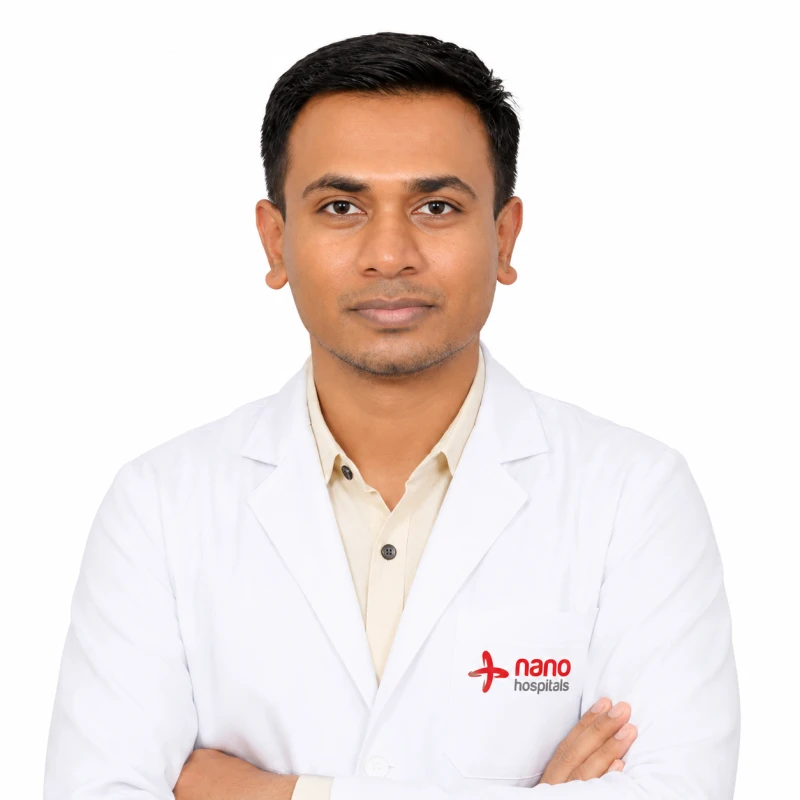
Dr Naveen Kumar B M
MBBS, MS Orthopedics
KMC: 112492
Consultant Arthroplasty, Trauma, Sports Medicine ad Arthroscopy Surgeon
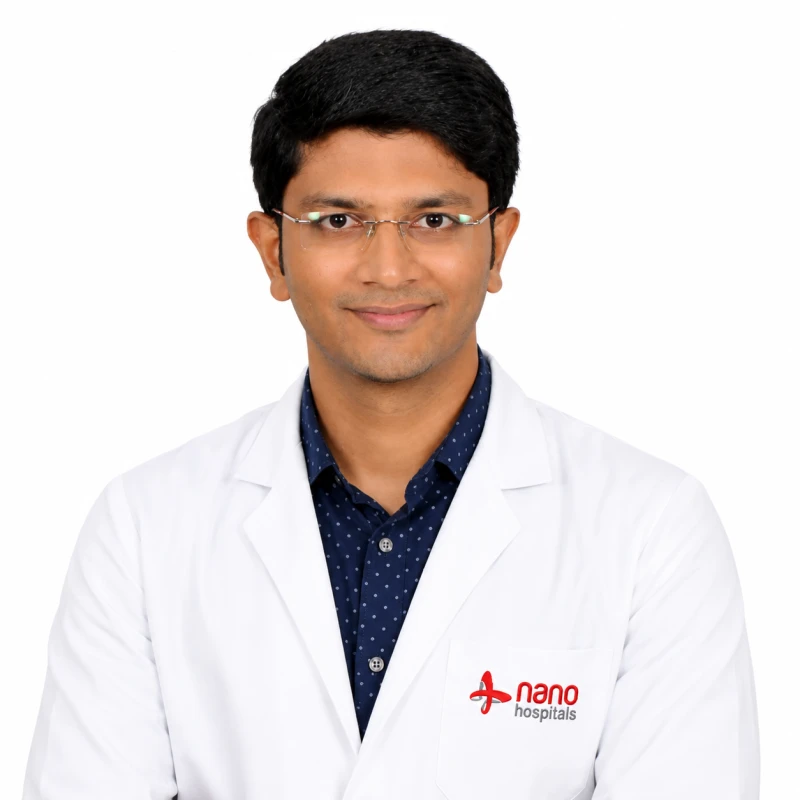
Dr Sharan Achar T
MBBS, MS Ortho, DNB, FASSI, FAO
KMC: 109282
Consultant Orthopaedic Spine Surgeon

Dr Sudhindra Dharmavaram
MBBS, MD (ANAES), FFPMRCA (UK) - Orthopedics
KMC: 80575
Consultant Orthopaedics Surgeon
Prefer WhatsApp for Intramedullary Nailing enquiries? Chat with our orthopedic team during working hours for quick assistance.
