



Laminectomy
About Laminectomy
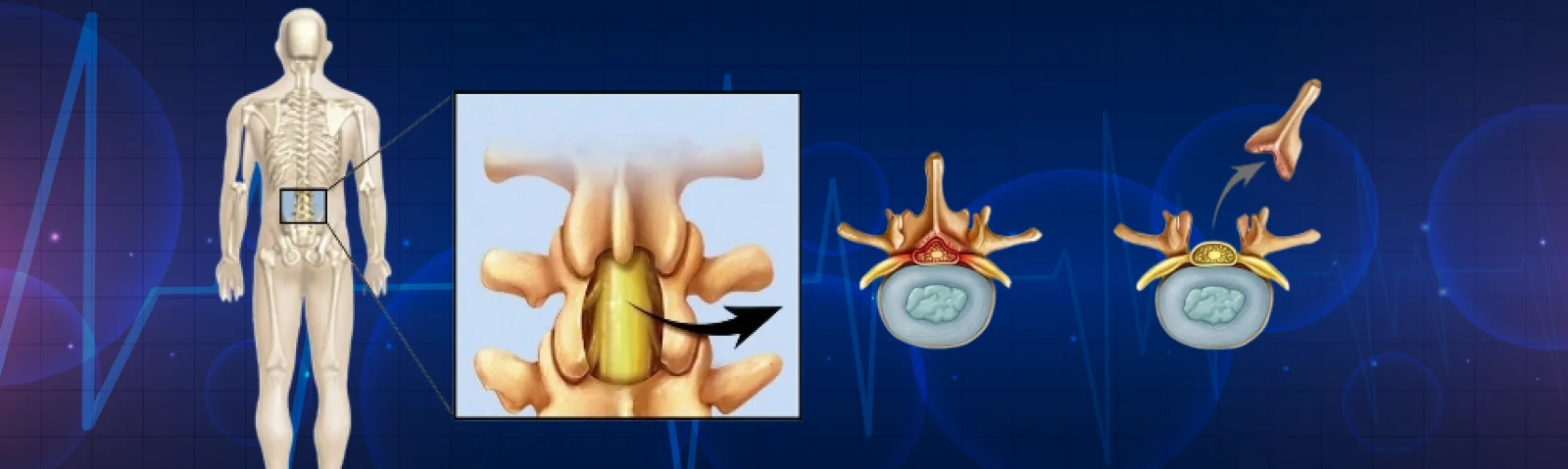
Laminectomy is a spinal decompression surgery in which part of the vertebral bone called the lamina is removed to relieve pressure on the spinal cord or nerves. The procedure is commonly performed for spinal stenosis and severe nerve compression. It...
Laminectomy is a spinal decompression surgery in which part of the vertebral bone called the lamina is removed to relieve pressure on the spinal cord or nerves. The procedure is commonly performed for spinal stenosis and severe nerve compression. It helps improve mobility and reduce neurological symptoms.
Overview
The surgery may include: Removal of lamina bone Enlargement of spinal canal space Nerve decompression Removal of thickened ligaments or bone spurs Conditions treated include: Spinal stenosis Degenerative spinal disease Nerve compression Spinal tumors The procedure may be combined with spinal stabilization if necessary.
Understanding The Procedure
Symptoms That May Require Laminectomy
- ⦾ Chronic back pain
- ⦾ Leg weakness
- ⦾ Numbness in limbs
- ⦾ Difficulty standing or walking
- ⦾ Balance problems
Recovery & Outlook
Laminectomy improves nerve decompression and mobility in many spinal disorders. Long-term success depends on rehabilitation and spinal health maintenance.
Risks
- ⦾ Infection
- ⦾ Bleeding
- ⦾ Spinal instability
- ⦾ Nerve damage
- ⦾ Persistent symptoms
Post-Operative Care
- ⦾ Follow spinal rehabilitation programs
- ⦾ Avoid heavy activities during recovery
- ⦾ Maintain correct posture
- ⦾ Continue prescribed medications
- ⦾ Attend follow-up spine evaluations
Doctors Who Perform Laminectomy
Meet experienced orthopedics (bone & joint care) doctors who regularly evaluate and perform laminectomy.

Dr Naveen Kumar B M
MBBS, MS Orthopedics
KMC: 112492
Consultant Arthroplasty, Trauma, Sports Medicine ad Arthroscopy Surgeon

Dr Sharan Achar T
MBBS, MS Ortho, DNB, FASSI, FAO
KMC: 109282
Consultant Orthopaedic Spine Surgeon

Dr Sudhindra Dharmavaram
MBBS, MD (ANAES), FFPMRCA (UK) - Orthopedics
KMC: 80575
Consultant Orthopaedics Surgeon
Prefer WhatsApp for Laminectomy enquiries? Chat with our orthopedic team during working hours for quick assistance.
